
Industrial floor drain strainers for Kitchen
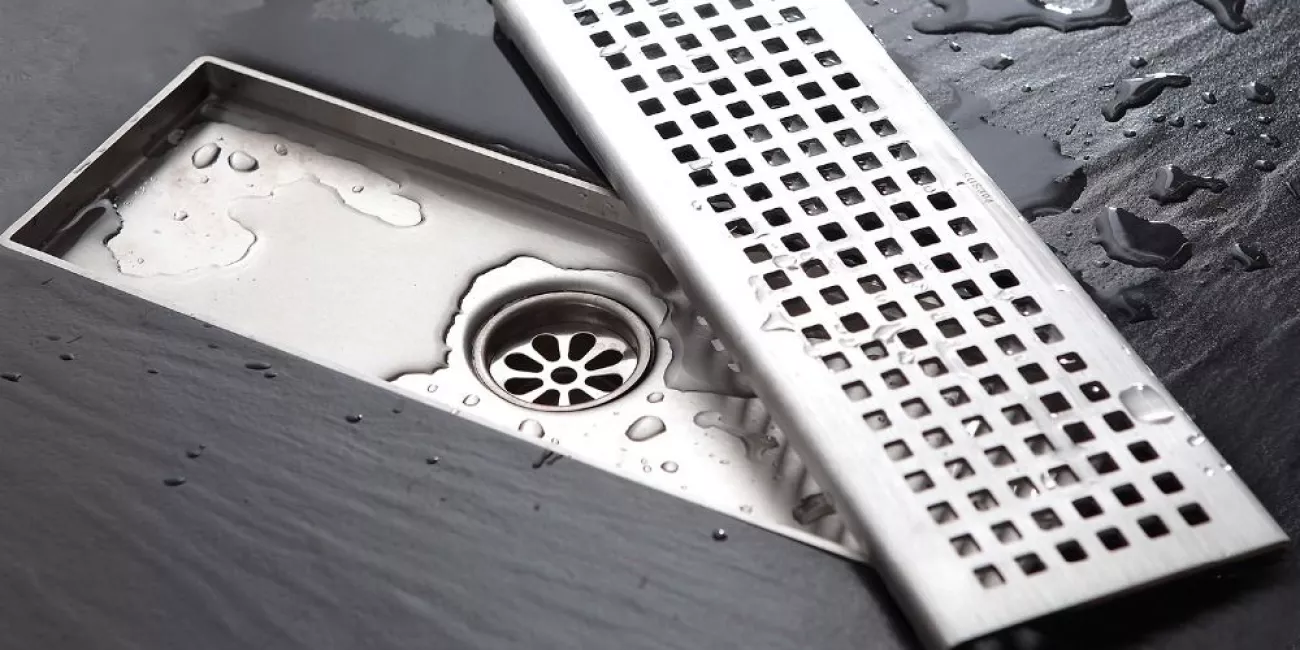
Restaurant Floor Drain Strainers: How to Choose the Right Type, Size & Material
Safe and effective drainage prevents problems in commercial kitchens and ensures the standards of sanitation are maintained. Proper selection of floor drain strainers lowers expenses on maintenance and prevents the possibility of unexpected downtime. Our high-quality floor drain strainers collect food residues before they enter the plumbing system.
Why Floor Drain Strainers Matter in a Commercial Kitchen
Commercial kitchen floor drains have to do a lot of work every single day because of the large amount of water used in food preparation and cleaning procedures. In case you don’t use the right kind of floor drain strainer, food particles, packaging materials, and grease may end up in drain pipes.
Health inspectors are keen on checking the drainage system because it can easily be affected by clogs, which can turn into sanitation issues. In addition, a clog can affect a drainage system, which can flood a surface area of 100 square feet in just 15 minutes and cause cleanup and repair costs averaging between $8,000 and $15,000.
It is cheaper to prevent these problems than to fix them.
Many kitchens have an appropriate drainage system along with grease traps of the appropriate size to minimize the level of fats, oils, and grease entering the pipe.
3 Types of Commercial Floor Drain Strainers
Various types of workspaces will require different types of strainers.
Flat Basket / Square Strainer
The common floor drain strainer basket is usually used in prep spaces, dishwashing stations, and mop sinks. Common sizes are 8.5”× 8.5” × 3” and 10”× 10” × 5”. Most strainers in commercial kitchens are made from 304 stainless steel, which provides good corrosion protection.
Cylinder / Tube Strainer
Cylindrical strainers are best suited for regions producing a lot of waste food items, especially meat and fish processing regions. They are available in 2 to 4 inches in diameter and 4 to 8 inches in height and have the capacity of holding three times more waste than flat basket strainers before cleaning is required.
Dome Strainer
In case of installation of a commercial floor drain in the area where there is an ice machine, a beverage area, or floor sinks, a dome shape is preferable. The diameter is typically around 5.25 inches, permitting water to pass but collecting larger debris.
In the case of floor sinks, a dome strainer for floor sink or floor sink top grate (cast iron with ceramic coating) is preferred by the majority of operators.
How to Pick the Right Size
Sizing is key. Be sure to always measure the internal opening of the drain, not the external frame.
- Square drains: Measure the internal opening side to side.
- Round drains: Measure the internal diameter.
- Some typical sizes are 6-, 8-, and 12-inch square drains, as well as 2- to 4-inch round drains.
Always double-check your measurements before ordering.
304 Stainless vs. Galvanized
| Material | Lifespan | Best For |
|---|---|---|
| 304 Stainless Steel | 5–10+ years | All commercial kitchens |
| Galvanized Steel | 1–3 years | Dry utility areas |
| Cast Iron + Ceramic | 10+ years | Floor sink grates |
Installation & Maintenance
Commercial floor drain covers have easy installation, which can be done simply by placing the strainer into the drain without any special tools.
Strainers in high-volume restaurants should be cleaned each shift, while those in low-volume establishments can be cleaned after every 48-72 hours.
Even if the strainer looks fine and is functioning, it should be replaced every 6-12 months.
FAQ
What size floor drain strainer do I need?
Calculate the inside of your drain opening. Restaurants usually have either an 8.5" × 8.5" or a 10" × 10" square strainer or a 3- to 4-inch diameter cylindrical strainer.
What is the difference between a floor drain and a floor sink?
A floor drain is an in-floor fixture meant for general drainage, while a floor sink is a recessed basin meant for collecting indirect wastewater from equipment.
How often should floor drain strainers be cleaned?
Strainer cleaning should be done daily or at least every 48-72 hours.